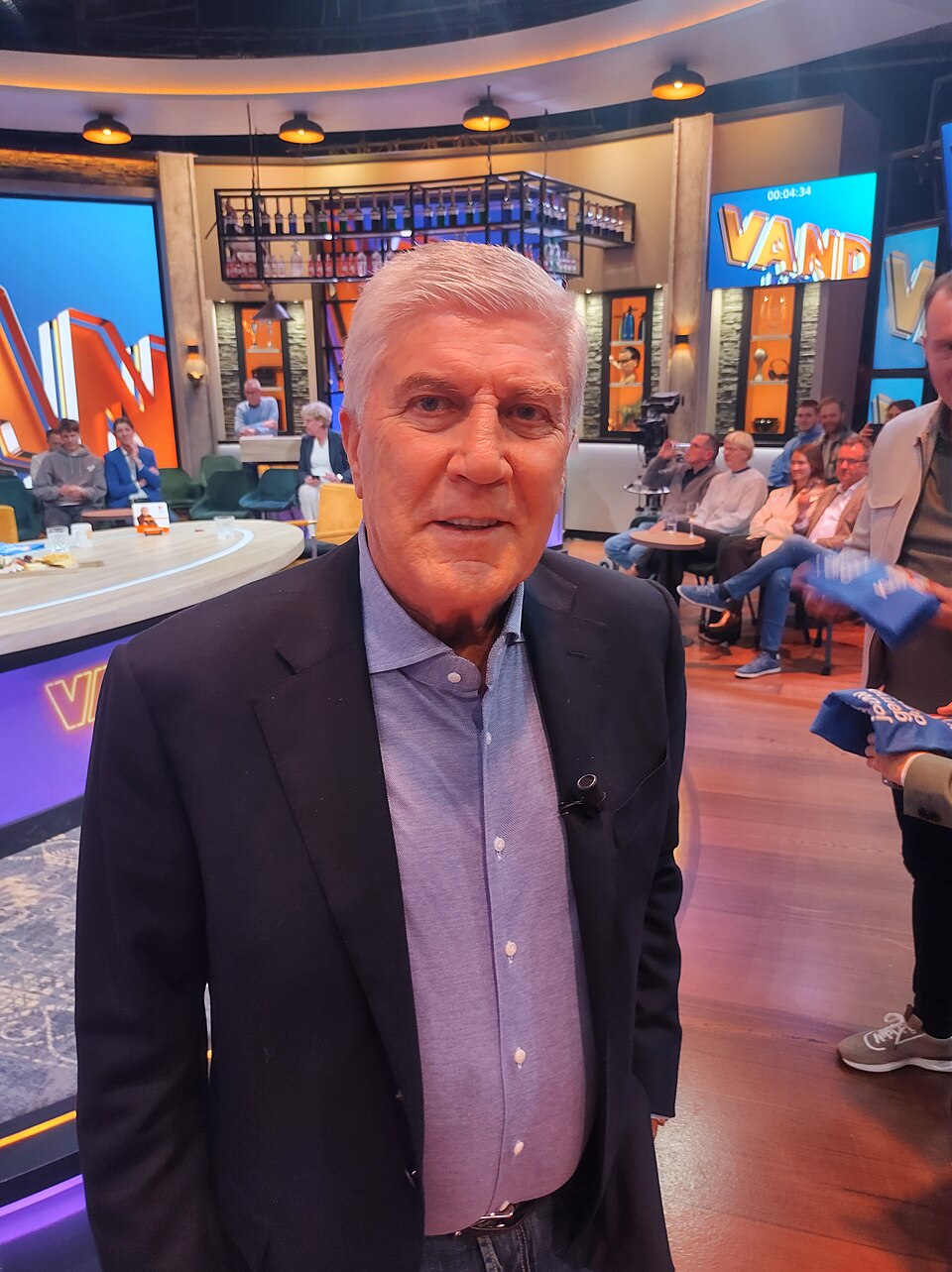
Cor Pot: Unpacking a Footballing Legacy Beyond Personal Speculation
In the vast landscape of professional football, certain names resonate not just for their on-pitch heroics but for their profound impact on the game's development and tactical evolution. Cor Pot is undeniably one such figure in Dutch football. While curiosity often extends to the personal lives of public figures, leading to searches for terms like "Cor Pot Vriendin," the public record overwhelmingly paints a picture of a man singularly dedicated to his craft, both as a player and, more significantly, as a coach.
The digital age has blurred the lines between public and private, yet for seasoned professionals like Cor Pot, their careers often stand as the primary, and sometimes sole, focus of public documentation. This article delves into the illustrious football journey of Cor Pot, exploring his significant contributions to the sport and understanding why his professional narrative, rather than his personal life, defines his enduring legacy. When considering a search for Cor Pot Vriendin Search: What His Career Profile Reveals, it becomes clear that his professional achievements offer a far richer tapestry to explore.
The Disciplined Player: Cor Pot's Early Forays on the Pitch
Cor Pot began his professional football career in an era where grit and tactical understanding were paramount. Born in Rotterdam, his playing days saw him don the jerseys of several prominent Dutch clubs. He was known as a versatile midfielder and defender, a workhorse who brought consistency and intelligence to the field. His career included stints with:
- Sparta Rotterdam: Where he established himself as a reliable player.
- MVV Maastricht: Contributing to their efforts in the Eredivisie.
- HFC Haarlem: Another significant period in his playing journey.
- Excelsior: Where he spent multiple seasons, becoming a familiar face.
As a player, Pot was not necessarily a flashy goal-scorer, but rather a vital cog in the team's machinery. His strength lay in his tactical discipline, his ability to read the game, and his consistent effort. These qualities, often overlooked in favor of more glamorous statistics, are precisely what laid the groundwork for his future success as a coach. It's this foundation of deep game understanding that became the cornerstone of his approach to developing talent later on.
From Boots to Board: The Genesis of a Coaching Career
Like many intelligent players, Cor Pot transitioned seamlessly from playing to coaching, a move that would ultimately define his true impact on Dutch football. His coaching journey began in the late 1980s, and it was clear from the outset that he possessed a unique ability to impart knowledge and inspire growth. Pot's early coaching roles often involved youth teams or assistant positions, allowing him to hone his methods and develop his own philosophy. This hands-on experience, often away from the immediate glare of top-tier management, proved invaluable.
His philosophy quickly became evident: a strong emphasis on tactical organization, player development through fundamental skills, and fostering a cohesive team spirit. He understood that football was not just about individual brilliance but about how those individuals could work together within a well-defined system. This commitment to structure and development is a recurring theme throughout his extensive career.
A Maestro of Youth Development: International and Club Successes
Cor Pot’s coaching career truly flourished when he took on roles focused on nurturing emerging talent. He became a highly respected figure in youth international football, particularly with the Netherlands U21 national team. This period is arguably where his most significant contributions lie.
Netherlands U21 National Team
Pot's tenure with the Netherlands U21 side was marked by remarkable success, including back-to-back UEFA European Under-21 Championship titles in 2006 and 2007. These victories were not just trophies; they were a testament to his ability to identify, develop, and mold the next generation of Dutch football stars. Under his guidance, players who would go on to achieve international acclaim gained crucial experience and developed their skills. The teams he managed played with a distinct style – organized, technically proficient, and mentally resilient – reflecting his own principles. This period showcased his tactical acumen and his profound understanding of player psychology at a critical developmental stage.
- 2006 UEFA European Under-21 Championship: A historic win, cementing his reputation.
- 2007 UEFA European Under-21 Championship: A successful defense of the title, an even rarer feat.
- Impact on Dutch Football: Many players from these squads went on to represent the senior national team and play for top European clubs, a direct reflection of Pot's influence.
Beyond the U21s, Pot also held various assistant coaching roles with the senior Netherlands national team and at club level, often working alongside renowned managers. His role as an assistant was crucial in providing stability, tactical input, and player management support, often away from the main spotlight. This dedication to the team, regardless of the role, underscores his professionalism.
It's during these formative and successful coaching years that we truly understand Cor Pot's public identity. The public and media focus remained steadfastly on his professional contributions – the tactics, the player development, the victories. The absence of personal details like a "Vriendin" in public records is a common theme for professionals dedicated to their craft, underscoring Cor Pot's Professional Journey: Why Vriendin Details Are Absent.
Cor Pot's Enduring Legacy: Professionalism and Player Development
Cor Pot's career trajectory offers valuable insights into the nature of football professionalism. His dedication to the sport, from his early days as a player to his decorated tenure as a youth national team coach, has left an indelible mark on Dutch football. His legacy is not merely about the trophies won, but about the countless players he helped shape and the tactical foundations he instilled. He is a prime example of a coach who prioritized the long-term development of talent over short-term gratification.
His approach teaches us that true success in football often comes from a relentless focus on core principles: hard work, tactical discipline, and a genuine commitment to nurturing talent. For those seeking inspiration in football, looking at Cor Pot's career offers a wealth of actionable insights into coaching methodology, team building, and player psychology.
Ultimately, while the human desire to connect with public figures often extends to their personal lives, Cor Pot's public persona is defined by his profound and unwavering commitment to football. His career stands as a testament to the power of professionalism and the enduring impact a dedicated individual can have on the beautiful game. Rather than dwelling on aspects of his personal life not made public, celebrating his tangible contributions to football provides a richer, more meaningful understanding of the man and his legacy.